Semiconductor HVAC Equipment

It’s crucial that semiconductor engineers have access to specialized HVAC equipment that meets the field’s bleeding-edge demand. All aspects of the semiconductor and electronic manufacturing industry require specialized ventilation equipment to maintain productive efficiency.

This article discusses the challenges with both fab and fabless semiconductor facilities (fab is short for fabrication). Several HVAC types of equipment are necessary for both types of facilities and their purpose in the applications to overcome challenges in the chip manufacturing industry.

Have a question? Need a quote?

The complex nature of semiconductors has many aspects, from their design to packaging and marketing. When manufacturing electronic equipment, ventilation is paramount to an efficient operation. This article focuses on ventilation equipment for electronic manufacturers in both fabless and fab facilities.

There are many factors at play when designing a proper HVAC system for the semiconductor industry, such as, but not limited to:

Understanding these factors is important before making any final decisions about the facility’s ventilation needs.

Specialized equipment requirements, cleanrooms, facilities, the number of staff members, productive output, and many other important variables must be considered when designing a ventilation system.

Types of Facilities in the Semiconductor Industry

HVAC systems vary depending on the type of facility.

There are 2 main types of facilities:

  • Fabless Manufacturing
  • Fab Manufacturing (Pure Play Foundry)

A fabless manufacturing company designs chips and other electronic parts. They outsource their designs to a 3rd party semiconductor foundry. Fabless companies design the architecture of the wafer or electronic chip. It is common practice for fabless companies to market the final product as well.

Both types of semiconductor facilities have several challenges regarding HVAC equipment and indoor air quality. That being said, their challenges are much different and require different ventilation equipment.

Contact us now for a FAST quote

We are the official distributors of the top manufacturers in the USA. As official reps, we’ll be happy to help find the best products for your application.

Contact us for a quote or if you have any questions.

HVAC for Electronics Manufacturer

As electronic manufacturing professionals, your role in maintaining the quality of PCB (Printed Circuit Board) assembly is crucial. Airborne molecular contamination (AMC) poses a significant challenge, particularly in smaller facilities. Your careful consideration of electronic manufacturing ventilation across all aspects is key to our success.

Printed circuit board assembly, or PCBA, consists of mechanical support electronic appliances that play a vital role in connecting electrical conduits. PCBA consists of pads, conductive tracks, and various other similar specifications etched from numerous copper laminated non-conductive substrate sheet layers.

When etching circuit boards, HVAC ventilation equipment such as mist collectors are required to check indoor air quality. Filtering acids, bases and organics is also a priority that is met by implementing proper filters.

Fabless Manufacturing Ventilation Challenges

Fabless manufacturers require commercial ventilation equipment similar to the HVAC equipment found in most commercial offices. Since staff is indoors, air quality is paramount, and effective ventilation determines the facility’s air quality.

Keeping employees and staff comfortable and maintaining the proper temperature to run fabless manufacturing equipment is also vital. Some of the common indoor air quality issues in fabless manufacturing issues are:

  • Viruses & Germs – An improperly ventilated commercial building is a hotbed for bacteria to spread.
  • Odors & Fumes – Cleaning product fumes, pesticides and similar chemicals are a common culprit in reducing indoor air quality.
  • Dust – Dirt and dust impose a serious threat to specialized equipment. Dirt may be a combination of particles that could potentially cause issues.
  • Mold – Not only could mold cause damage to fabless equipment, it can also become toxic for staff to breath.

Energy consumption should also be considered. With HVAC equipment running 24/7, the proper ventilation must also be energy efficient. HVAC equipment is suited for such industries.

A trained specialist will provide proper consultation on the HVAC equipment requirements.

Maintaining a comfortable environment for employees and staff, as well as ensuring the proper temperature for fabless manufacturing equipment, is of utmost importance. The productivity and efficiency of the manufacturing process can be significantly affected by temperature fluctuations, making this a critical aspect to consider.

Industrial ventilation equipment is required to address fabless manufacturing HVAC challenges. The ventilation system is important but depends on the building’s structure and location.

There are 3 main types of ventilation systems:

Contact us now for a FAST quote

We are the official distributors of the top manufacturers in the USA. As official reps, we’ll be happy to help find the best products for your application.

Contact us for a quote or if you have any questions.

HVAC Equipment for Fabless Manufacturing

  1. Natural Ventilation
  2. Mechanical
  3. Mixed-Mode

Natural ventilation is the most energy-efficient of the three types of ventilation systems. That being said, environmental factors, equipment tolerance, and building structure all play critical roles in making natural ventilation ideal for fabless manufacturing.

Mixed-mode ventilation uses a combination of natural ventilation and mechanical ventilation. Mechanical ventilation equipment would be used if the issues with natural ventilation prevented an optimal indoor environment.

Common HVAC equipment necessary in a fabless manufacturing facility includes, but is not limited to:

Exhaust Fans

Industrial-grade exhaust fans provide mechanical air flow through the building. Roof exhaust fans force stale air out of a fabless building. Wall-panel exhaust fans can also be implemented to keep equipment cool and control humidity.

Ductwork

Proper ductwork is imperative to every fabless manufacturing facility. Inline fans within the ductwork assist in moving air.

UV-C Light

Due to contaminants in buildings, UV-C lights in HVAC systems of fabless manufacturing companies are necessary for several reasons. UV-C lights kill viruses and prevent mold spores in difficult-to-reach areas. If air is recirculated, UV-C light kills contaminants beforehand.

Semiconductor Air Filters

To increase indoor air quality, HEPA & ULPA filters and other industry standard filters can be installed to reduce pollutants and molecular concentrations to ISO class 1 levels. Filters work with UV-C lights to create the best indoor air quality for the semiconductor industry.

Make Up Air Unit

Exhaust fans push circulating air out, while make-up air units in fabless facilities help push fresh air in while controlling indoor pressure. A proper make-up air unit facilitates increased efficiency of the complete HVAC system, which in turn reduces overall cost.

Learn about the 4 issues a make-up air unit can fix.

Air Curtains for the Semiconductor Facility

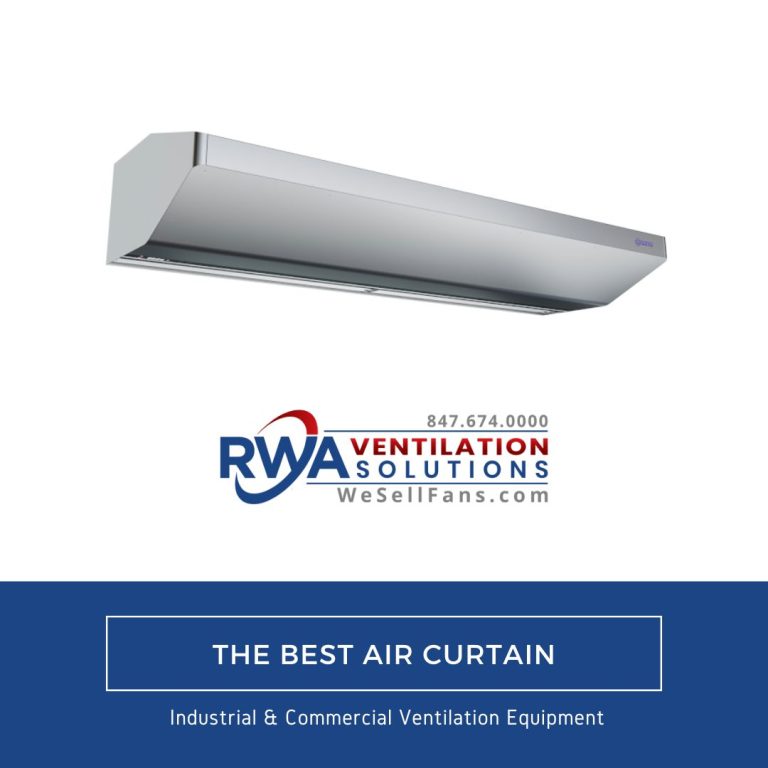
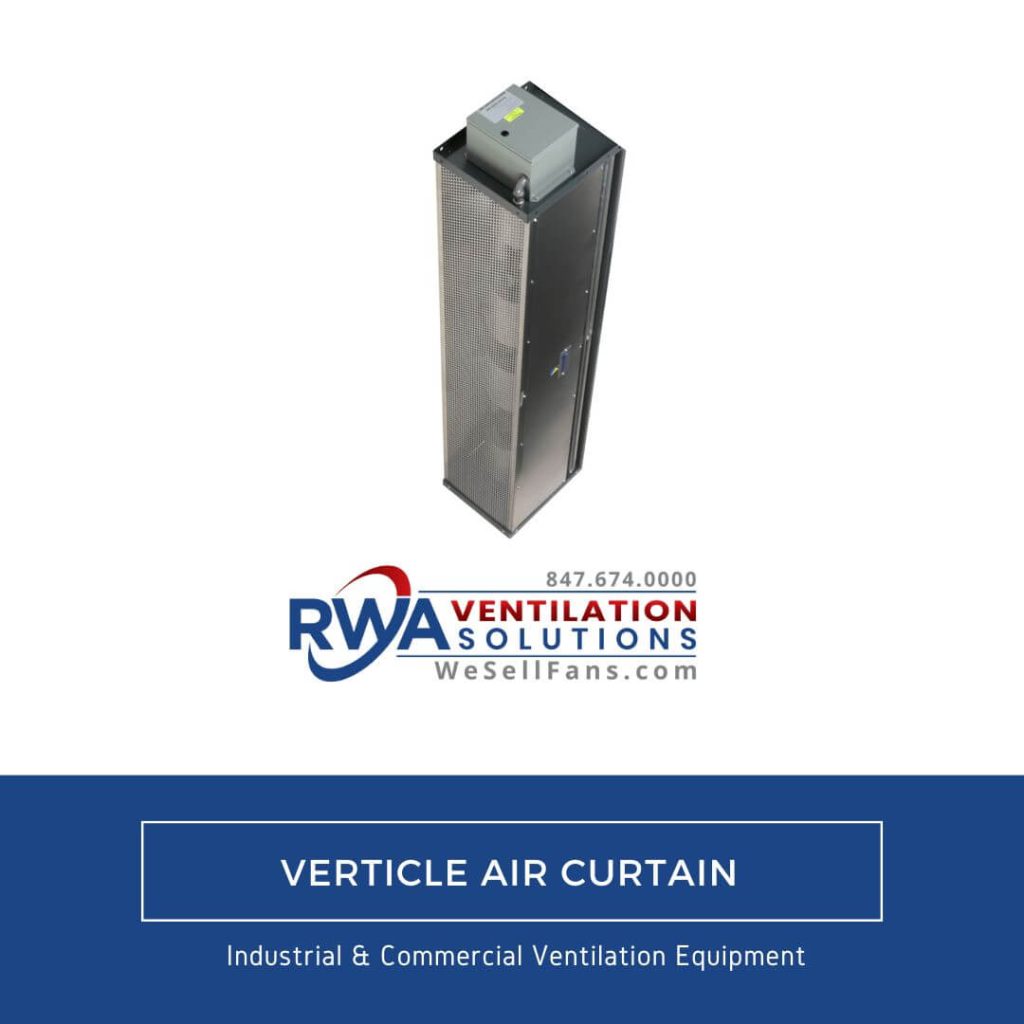
Separating areas in a fabless company may be necessary, especially the front door. Depending on the location, the main entrance may open often, allowing dust and other contaminants to enter. Furthermore, tempered air inside the building can escape. Air curtains in fabless manufacturing facilities would prevent these occurrences.

Heating Equipment

During winter, special heating equipment is necessary to maintain a comfortable working environment.

Natural Ventilation

Energy consumption is a key factor when implementing a ventilation system for a fabless manufacturer. Therefore, it is recommended that you speak with an engineer to see if natural ventilation could reduce energy costs.

Foundry Ventilation Challenges

Foundries strive to achieve cutting-edge technology to manufacture microchips (also called chips, computer chips, integrated circuits, or ICs). There are thousands of steps in manufacturing a chip, and ventilation, filtration, and other environmental factors are carefully monitored at every step.

Microchips are extremely sensitive. If a particle of dust contaminates a wafer, the chip is rendered useless. Fab chip makers have “ISO 1” class clean-rooms that contain “Zero Dust.” A single particle can be no larger than 200 nm. Ten (10) particles between 100 and 200 nm in size can not contaminate one cubic meter of air.

To help quantify the cleanliness of an ISO 1 cleanroom, consider a hospital with 10,000 contaminants per cubic meter. If even the smallest particle of dust or other foreign material ends up on the wafer, it can ruin the microchip, so chip makers are careful to keep their fabs clean.

Indoor Air Quality

Indoor air quality is a larger concern with both fab and fabless semiconductor manufacturing facilities. Ventilation equipment’s sole intent is to eliminate contaminants and particles and control and limit VOCs (volatile organic compounds), RH (relative humidity), and oxygen. The foundry and the technology implemented within determine the level of emissions, VOCs, and exhaust air volume.

An HVAC system can be designed to have UV-C lights placed inside the ductwork and make-up air units to eliminate VOCs. Industrial UV-C lights can also reduce mold and other contaminants commonly found in electronic manufacturing facilities.

ERV’s

Besides the aforementioned semiconductor ventilation equipment, there are also energy recovery ventilators (ERVs). ERVs are mechanical ventilation equipment that withdraws stale indoor air and replenishes it with fresh air. They can be placed where the VOC concentration is the highest and vent into the HVAC system.

ERVs are energy-efficient ventilation equipment because they can temper air before being pushed into the ductwork. Depending on the application and tempered air requirements, they also control humidity.

Want Quick Answers?

Contact Us Page→
Call Us: 847-674-0000→