HVAC SYSTEMS FOR CONVENTION CENTERS, ARENAS, AND AUDITORIUMS

Convention Center HVAC Requirements

Convention Centers and indoor arenas demand a level of sanitation and reliability that only the highest quality HVAC equipment and ventilation systems can provide.

Proper ventilation design can provide a safe space for employees and guests and the environmental separation necessary to keep people comfortable and operating costs low.

Large venues that include both indoor and outdoor spaces with varying environments require different HVAC equipment to achieve the desired objective. ASHRAE states these types of HVAC applications fall under “Places of Assembly”.

Although guests and patrons are typically limited to areas designed for them, substantial work is performed throughout a convention center to accommodate the guest spaces.

Have a question? Need a quote?

A typical convention center, arena, or auditorium may include:

Essential Components in Convention Center and Auditorium HVAC Design

Fresh Air & Ventilation Systems

Convention centers and auditoriums require continuous fresh air circulation to accommodate high occupancy levels and maintain healthy indoor environments. These venues use specialized ventilation systems, often called make-up air units (MUAs), that replace exhausted air, control air quality, and regulate temperature throughout the space.

Types of Ventilation Systems for Large Venues

  1. 100% Outdoor Air Systems: These systems continuously bring in fresh air from outside to replace exhausted air. They’re essential for events that generate odors or require high air turnover rates, such as car shows, food exhibitions, or densely packed conferences.
  2. Recirculated Air Systems: These energy-efficient systems filter and treat existing air before reintroducing it into the space. They significantly reduce heating and cooling costs, making them ideal for auditoriums, theaters, and venues with moderate ventilation requirements.
  3. Hybrid Systems: These versatile solutions combine outdoor and recirculated air in varying proportions. They offer flexibility to adjust ventilation based on occupancy levels, event types, and seasonal conditions, providing both air quality and energy efficiency.

Heating and Cooling Options for auditoriums and convention centers

Fresh air systems include various heating and cooling technologies to ensure incoming air maintains comfortable temperatures:

Design Considerations for Convention Center Ventilation

Properly designed fresh air systems for large venues must account for several critical factors:

  1. Code Compliance: Ventilation rates must meet building codes such as ASHRAE 62.1 or the International Mechanical Code (IMC). Requirements vary based on event types and expected attendance.
  2. Air Change Rates: Convention centers often need higher air turnover rates for heating and cooling than basic ventilation requires. Hybrid systems efficiently balance fresh air introduction with temperature control.
  3. Air Quality Management: Advanced filtration and treatment technologies—including UV-C light and cold plasma ionization, remove viruses, bacteria, and airborne contaminants, ensuring a clean, healthy environment for attendees.
  4. Proper Sizing: System capacity must be calculated based on venue dimensions, expected occupancy, climate conditions, and usage patterns to ensure efficient operation and optimal performance.
Contact us now for a FAST quote

We are the official distributors of the top manufacturers in the USA. As official reps, we’ll be happy to help find the best products for your application.

Contact us for a quote or if you have any questions.

Fans for Auditoriums & Convention Centers

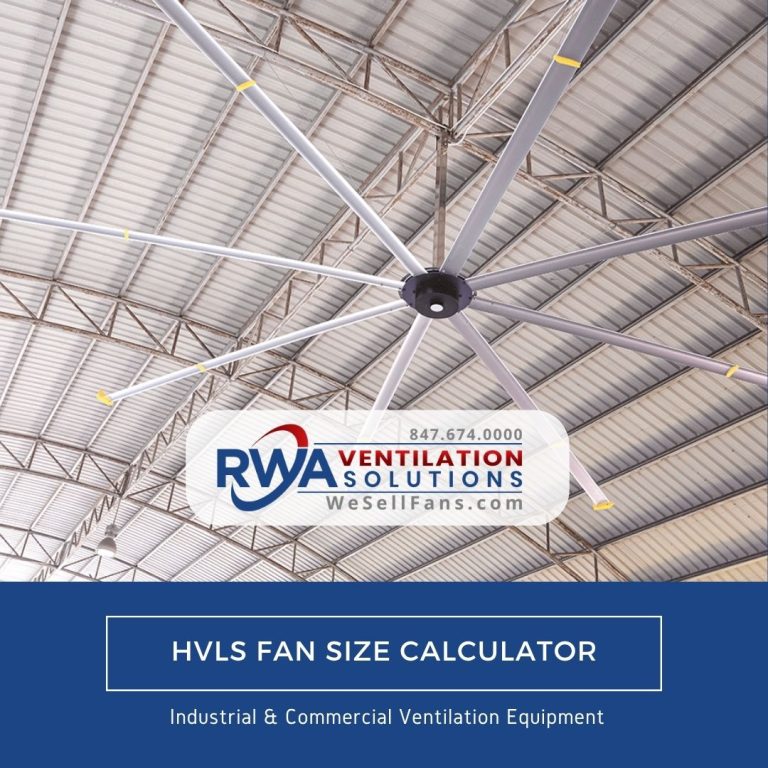
Auditoriums need big fans, such as high-volume, low-speed (HVLS) ceiling fans are big fans that offer big savings for auditoriums and convention centers. Designed to move huge amounts of air in large spaces using very little energy, these large ceiling fans create high air turnover rates. These air turnovers assist the HVAC systems in delivering conditioned air more effectively than ductwork alone. Additionally, the air movement created by the big fans produces far less noise than HVAC equipment. Often associated with cooling, the primary use of the HVLS fan is to destratify heat (Learn more about HVLS fans here). HVLS fans can also be used to destratify warm air that rises to the high ceilings in convention centers. Constantly circulating air at all levels throughout the space creates a balanced temperature from floor to ceiling. In addition to creating a more comfortable space and reduced HVAC load, HVLS fans typically allow for improved thermostat settings, providing even greater cost savings.

Ductwork Design for Exhibition Center HVAC Systems

Proper ductwork design and installation are critical components of an effective HVAC system in exhibition centers. The unique challenges these large, open spaces pose require careful consideration to ensure optimal air distribution, temperature control, and energy efficiency.

Ductwork Design Considerations

When designing ductwork for exhibition centers, consider the following factors:

  1. Air Distribution: Design ductwork to provide even air distribution throughout the exhibition space, considering the layout of booths, displays, and high-traffic areas.
  2. Flexibility: Incorporate adjustable dampers and variable air volume (VAV) terminals for zoned temperature control and adaptability to changing exhibition layouts.
  3. Noise Control: Select duct materials and design ductwork to minimize noise transmission, ensuring a comfortable environment for exhibitors and attendees.
  4. Energy Efficiency: Optimize duct sizing and layout to minimize pressure drops and maximize energy efficiency, reducing operating costs and environmental impact.

Compliance with Industry Standards

Ductwork design and installation must comply with relevant industry standards, such as ASHRAE Standard 90.1 for energy efficiency and SMACNA (Sheet Metal and Air Conditioning Contractors’ National Association) guidelines for duct construction and installation. Adherence to these standards ensures a high-quality, safe, and efficient HVAC system.

Contact us now for a FAST quote

We are the official distributors of the top manufacturers in the USA. As official reps, we’ll be happy to help find the best products for your application.

Contact us for a quote or if you have any questions.

HVAC Design and Equipment Factors for Auditorium and Renovation Projects

The scope and equipment requirements for an HVAC project vary significantly depending on the venue, structure, and unique challenges of the space. Understanding these factors is crucial for a successful installation.

Auditorium HVAC Design Considerations

When designing an HVAC system for an auditorium, consider the following factors:
  1. Climate Conditions: Different zones within the auditorium may require specific temperature and humidity control.
  2. Sound Threshold: Select equipment and design ductwork to minimize noise levels and maintain a suitable acoustic environment.
  3. Air Distribution: Employ strategies such as displacement ventilation or underfloor air distribution for efficient air distribution.
  4. Method of Action: Choose between a constant volume or variable air volume (VAV) system based on usage patterns and energy efficiency goals.

Renovation and Retrofit Projects

Additional considerations for HVAC renovation or retrofit projects include:
  1. Occupied Spaces: Plan and coordinate to minimize disruption to occupants and maintain a safe working environment.
  2. Phased Implementation: Install and commission the new HVAC system in stages for a smooth transition.
  3. Integration with Existing Systems: Ensure the new HVAC system integrates seamlessly with existing mechanical, electrical, or control systems.

Compliance with ASHRAE Standards

All HVAC systems must be designed in accordance with ASHRAE standards for indoor air quality, energy efficiency, and system performance. Engage certified consultants, engineers, and technicians to ensure compliance and optimal system design.

Conclusion

The scope and equipment requirements for an HVAC project in an auditorium or renovation setting depend on various factors unique to the space and the project’s goals. Careful consideration of these factors and adherence to ASHRAE standards will result in an HVAC system that provides comfort, efficiency, and reliability.

Contact Us

R. Williamson & Associates has been in the ventilation business since 1931 and has a long history of providing HVAC equipment for the auto factory industry as well as fans and blowers for paint booths.

Should you have any questions or comments regarding an application please do not hesitate to reach out to one of our trusted experts.

atad , reactor & biofiler exhaust

high volume & high pressure blowers

chemical & process fume cleaning
odor control

Fume scrubbers

Corrosive Duty Fans

PVC, plastic & fiberglass fans & blowers

Want Quick Answers?

Contact Us Page→
Call Us: 847-674-0000→