
Paint Booth Ventilation Systems
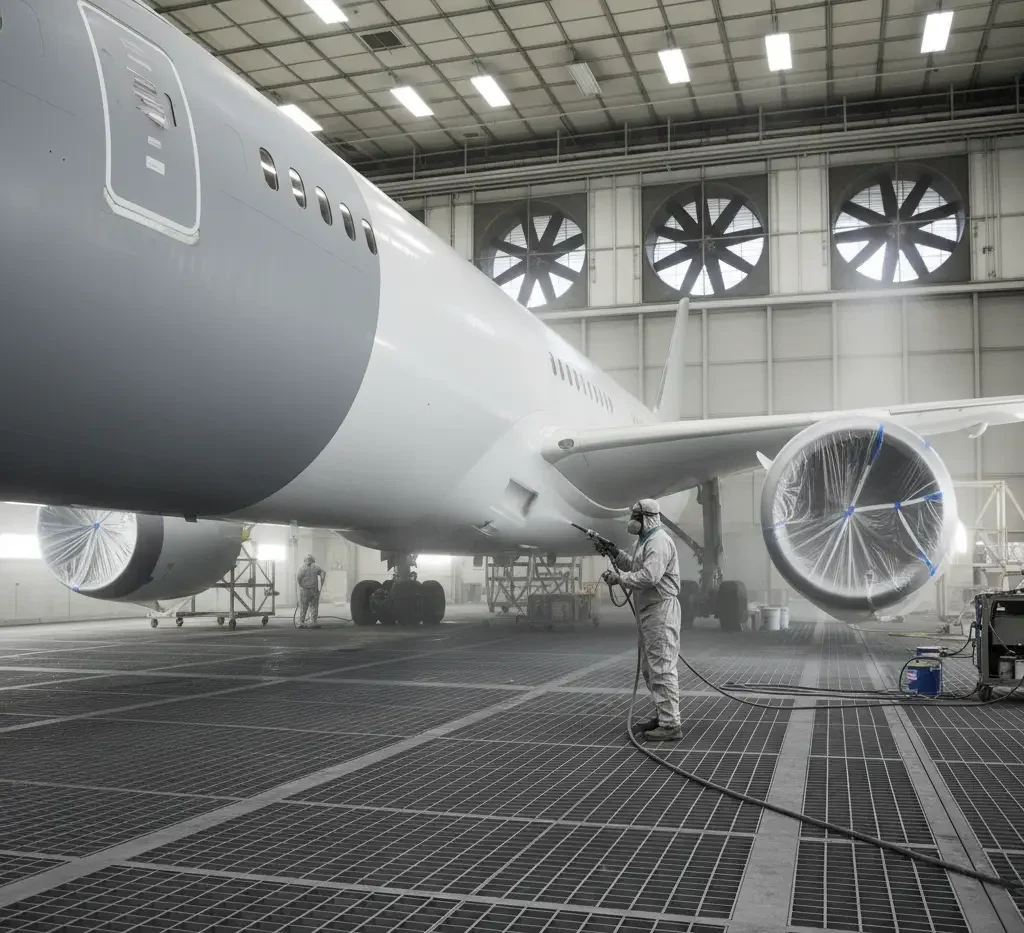
Ventilation is critical in paint booth operations to remove overspray, regulate temperature and humidity levels, prevent fires, and maintain a safe working environment.
Improperly designed systems put workers at risk and deliver inconsistent, poor-quality finishes. As minor as some design factors may seem, precision components like the exhaust fan can significantly impact booth performance for 20+ years.
Paint Booth Gallery
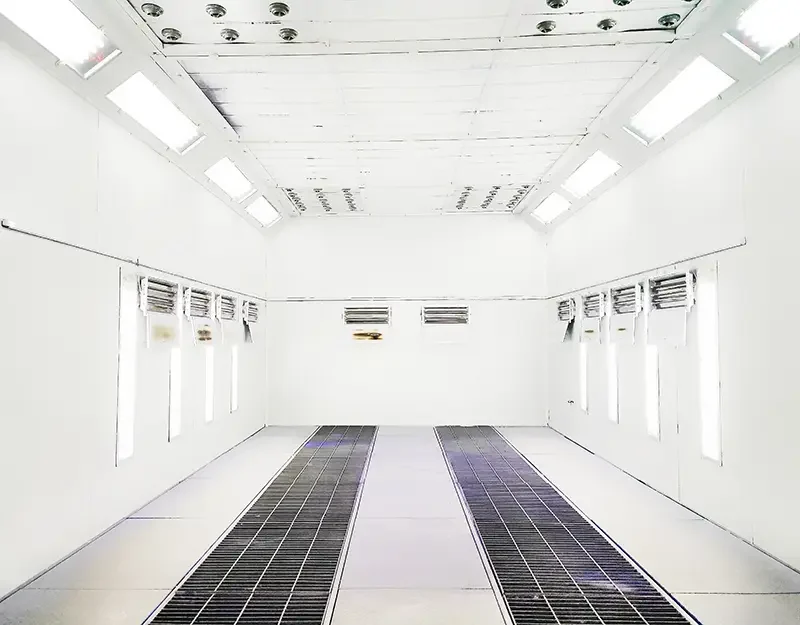
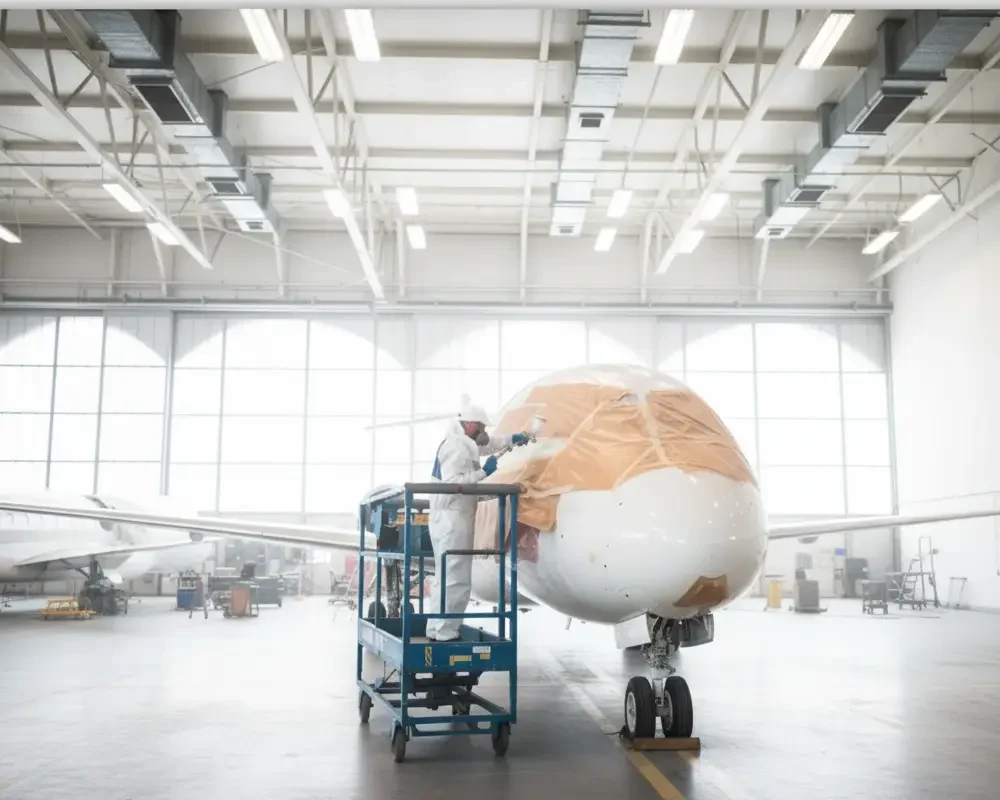
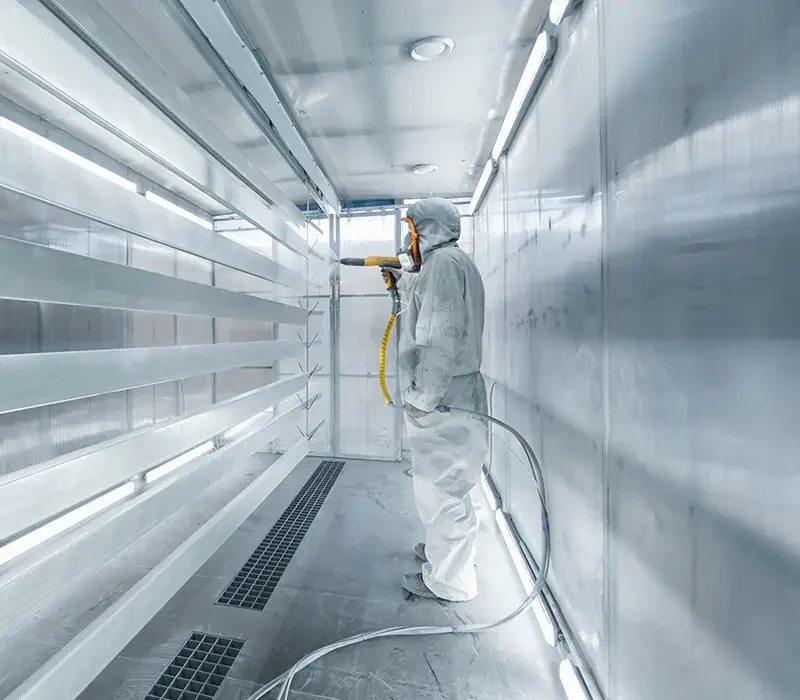
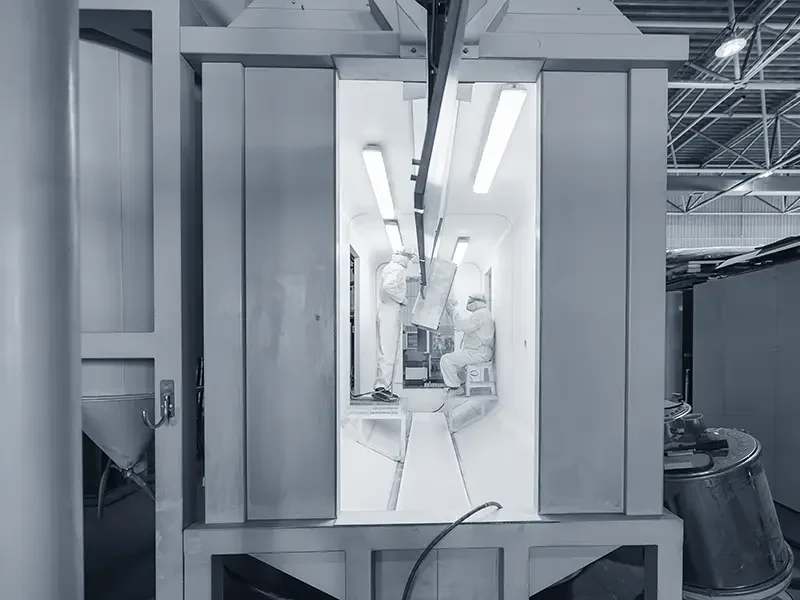
Need a price for paint booth exhaust fan? Have questions?
Overview of key components in a paint booth ventilation system
A basic ventilation system contains an exhaust fan to pull out contaminated air, makeup air units with blowers that replace extracted air, filtration systems to clean intake and exhaust airflow, ductwork, and controls like variable speed drives.
While all play roles, one often overlooked hero component is the exhaust fan, which make a big impact on airflow stability, filter life, and motor/bearing durability.
Fan construction presents one of the earliest forks in the purchasing road – tube axial or centrifugal.
Types of Fans and Blowers for Paint Booths
Centrifugal blowers
Centrifugal fans utilize spinning impellers to accelerate air radially. In practice, this means a centrifugal fan rated for 20,000 CFM will maintain 18,000+ CFM even when filters reach 80% capacity – critical for automotive body shops running continuous production schedules.
Benefits include quiet, consistent operation across static pressures, lower RPMs, and minimal overspray accumulation. Leading designs are forward curves, reverse inclines and dual-inlet reverse incline airfoils.
Axial fans
Axial fans move high volumes by propelling air parallel to the rotor shafts. Low initial costs appeal to spray booth manufacturers, but axial models struggle as filters load. Airflow drops fast, noise rises, and tight maintenance is essential.
In practice: An axial fan rated for 15,000 CFM might drop to 11,000 CFM when exhaust filters reach 50% capacity, a 27% reduction that compromises vapor control and finish quality.
This performance decline means more frequent filter changes (increasing operating costs) or accepting substandard booth performance. Automotive refinish shops and production facilities typically avoid axial fans for this reason, reserving them only for low-pressure applications like general ventilation or curing ovens where filter loading isn’t a factor.
Share or Save this Article
We are the official distributors of the top manufacturers in the USA. As official reps, we’ll be happy to help find the best ventilation products for your paint booth.
Contact us for a quote or if you have any questions.
Paint Booth Filter Types
Paint booths use 3 main filter types:
- Intake filters – Trap contaminants entering the booth to protect product quality
- Exhaust filters – Capture overspray and fumes per NESHAP standards before extraction
- Makeup air unit filters – Filter fresh airflow, replacing extracted air to prevent ventilation system contamination
Choosing the Right Filters
Consider these factors when selecting booth filters:
- Booth style (crossdraft, downdraft, etc.)
- Target particle capture size
- Expected filter lifetime under your operating conditions
- Allowable pressure drop/airflow restraints
Follow all local and NESHAP regulations.
Poor filter matches reduce safety and quality. Undersized exhaust filters (below 95% efficiency) allow overspray to coat ductwork, reducing airflow by 15-30% within 6 months and creating fire hazards from accumulated solvent-laden particles.
Design Factors and Materials
Key filter performance attributes:
- Media material (glass fiber, metal mesh, synthetics)
- Filter depth/thickness
Air permeability/density - Efficiency ratings like MERV
Balance metrics like holding capacity, airflow resistance, and service intervals based on your maintenance costs and operating needs.
Upgrading Filter Stages
Multi-stage exhaust filters combine successive capture layers, increasing particle removal efficiency.
For example:
- 2-stage: Painted metal mesh prefilter + fiberglass filter
- 3-stage: Above + additional media layer
More stages improve filtration but have higher pressure drops. Ensure exhaust flow volumes are maintained.
Controlling Temperature and Humidity
Proper temperature and humidity are critical across paint booth types. However, requirements differ slightly between downdraft and crossdraft booths. Tight environments prevent defects and optimize production throughputs.
Makeup Air Systems
Replacing extracted air needs tailored makeup units. Downdraft booths need air supplies entering from above the part. Crossdrafts introduce air from the entrance side. Precise chillers/heaters/dehumidifiers hit target conditions.
Heating and Cooling Approaches
Save energy with staged temps for spray, flash-off, and bake stages. Downdrafts rely more on radiant heating to avoid disrupting delicate vertical airflow. Crossdrafts use convection methods like gas or electric furnaces.
Optimal Ranges
The solvent-based optimal temp is 75-83°F for spray, then 80-100°F for baking. Waterborne needs 64-81°C consistency [2]. Humidity of 40-60% for both coating types limits dry spray and orange peel while accelerating cure rates.
Key Takeaways
A paint booth’s ventilation must balance stable airflow, contamination control, safety compliance, ideal temperature/humidity, and energy efficiency through precision component selection and sizing calculations.
Poor system design hampers quality and safety. Optimized setups promote flawless, faster finishing, regulatory alignment, and sustainable operations.
Design Your Paint Booth Ventilation System
Properly engineered ventilation systems deliver consistent finishes, meet NFPA 33 compliance, and operate efficiently for 20+ years. Whether you’re upgrading an existing booth or designing a new facility, the right component selection makes the difference between a system that barely meets requirements and one that maximizes productivity.
Browse Ventilation Equipment
- Centrifugal Exhaust Fans – 5,000 to 50,000 CFM industrial models
- Makeup Air Units – Heating, cooling, and filtration systems
- Paint Booth Filters – Intake and exhaust filtration
- Variable Frequency Drives – Energy-efficient motor controls
Contact a Ventilation Expert
Large facility or complex requirements? Our industrial ventilation specialists design complete systems tailored to your operation.
We evaluate your current setup, specify components that solve specific finishing challenges, ensure regulatory compliance, and optimize for energy efficiency.
Get expert guidance on:
- System design and CFM verification
- Fan and makeup air unit selection
- Multi-booth facility planning
- Compliance documentation for inspections
Related Resources
- Paint Booth CFM Calculator – Calculate airflow requirements by booth type
- Exhaust Fan Sizing Guide – Match fan specifications to your CFM needs
- Makeup Air Unit Selection – Size heating and cooling capacity